
Imaging FlowCytobot (IFCB) Sampling in the Pacific Northwest
What is the IFCB?
McLane Laboratories
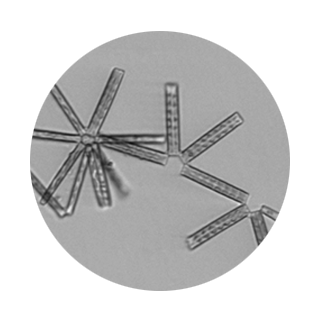
The Imaging FlowCytobot (IFCB) is a robotic microscope that continuously captures high‑resolution images of particles in the approximate <10–150 μm size range. It operates autonomously at a sampling rate of 15 mL per hour, enabling scientists to monitor phytoplankton and microzooplankton community composition with exceptional temporal resolution. Automated image‑classification tools can identify imaged organisms–often to the genus level–with accuracy comparable to expert taxonomists. IFCBs can be deployed on ocean moorings, used onboard research vessels for underway sampling, or used in laboratory settings for experimental work and sample processing. Together, these approaches sustain year‑round plankton monitoring across the region and support research efforts.
What is the IFCB used for?
IFCBs are a key tool for monitoring the base of marine foodwebs in the Pacific Northwest. Data generated by the IFCB are used for assessing biodiversity, tracking harmful algal blooms (HABs), and developing indicators of fisheries productivity. More information about these data applications, the ongoing regional monitoring and research using IFCBs, and the people leading this work can be found in the Data Applications below. To learn about HABs and their impacts on local communities and fisheries resources, please visit the NANOOS HABs page.
What is an IFCB Dashboard?
IFCB Dashboards are interactive, web-based portals that provide open access to image datasets generated by IFCBs. The dashboards were developed in conjunction with the instrument by experts at Woods Hole Oceanographic Institution. The source code is freely available, allowing any IFCB user to create and manage their own dashboard. Through the dashboard, scientists, educators, and the public can easily visualize when and where sampling occurred, explore images, and access associated metadata. More information about IFCB dashboards and the history of the IFCB can be found here.
Before downloading IFCB data for research or management purposes, please contact the associated primary investigator or use our Contact page to obtain permission.